Kyphosis (Hunchback):
Is it just poor posture, or is it a serious illness?
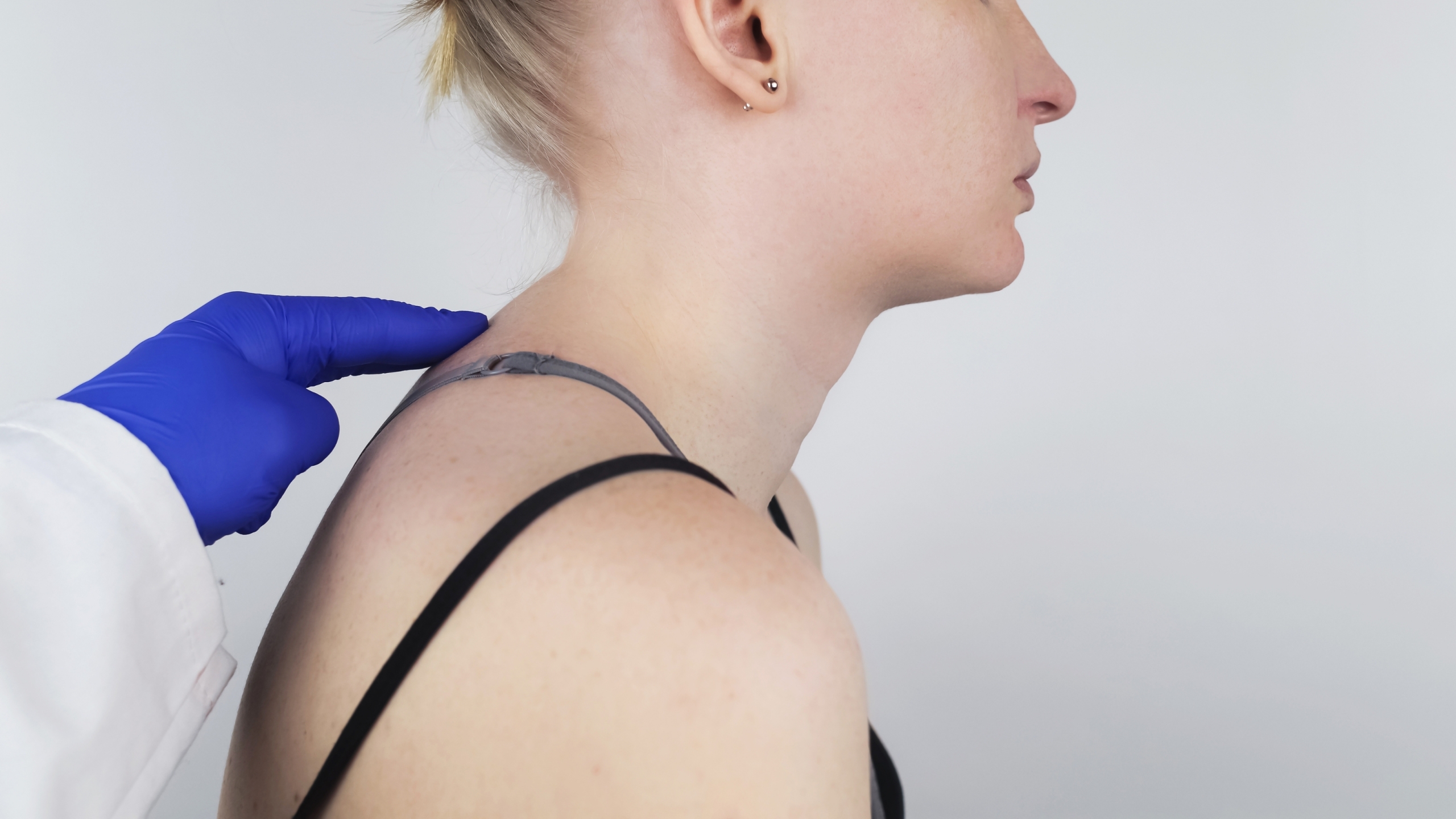
Kifoz, omurganın sırt bölgesindeki doğal öne eğriliğinin normalden fazla artmasıyla ortaya çıkan bir omurga eğriliği durumudur. Halk arasında kamburluk olarak ifade edilebilir. Kifoz değerlendirmesinde duruş, eğriliğin derecesi, ağrı, yaş, omurga dengesi ve günlük yaşam etkilenimi birlikte ele alınır.
| Situation | Ne Anlama Gelir? | Yaygın Kullanıcı İfadesi |
|---|---|---|
| Kyphosis | Sırt bölgesindeki öne doğru eğriliğin artmasıdır | Hunchback |
| Hunchback | Sırtın öne doğru çıkık görünmesini anlatan genel ifadedir | Sırt kamburluğu |
| Postür bozukluğu | Duruşa bağlı geçici veya düzeltilebilir görünüm bozukluğu olabilir | Duruş bozukluğu |
| Scoliosis | Omurganın yana doğru eğriliğidir | Omurga eğriliği |
| Lordoz | Bel bölgesindeki içe doğru eğriliğin artmasıdır | Bel çukuru artışı |
Almost all of us heard the warning “Stand up straight!” as children. However, with today's generation glued to computer screens and constantly looking at their phones, this warning has taken on much greater significance. In medical literature, kyphosis, commonly known as “hunchback,” can mean much more than just an aesthetic concern. So, is that curvature you see in the mirror just a bad habit, or is it a spinal deformity that requires treatment?
 https://drcagatayozturk.com/wp-content/uploads/Kifoz-zararlari-kamburluk-nefes-darliği-yapar-mi-kamburluk-mideye-baski-ileri-derece-kifoz-belirtileri.jpg
1389
1964
Cagatay Ozturk
https://drcagatayozturk.com/wp-content/uploads/hocamavilogo.png
Cagatay Ozturk2026-02-10 19:27:542026-02-10 19:29:40Is Kyphosis (Hunchback) Merely an "Aesthetic" Problem?
https://drcagatayozturk.com/wp-content/uploads/Kifoz-zararlari-kamburluk-nefes-darliği-yapar-mi-kamburluk-mideye-baski-ileri-derece-kifoz-belirtileri.jpg
1389
1964
Cagatay Ozturk
https://drcagatayozturk.com/wp-content/uploads/hocamavilogo.png
Cagatay Ozturk2026-02-10 19:27:542026-02-10 19:29:40Is Kyphosis (Hunchback) Merely an "Aesthetic" Problem?When viewed from the side, the human spine is not straight; there is a hollow in the neck and waist, and a slight outward curve in the back region. This natural curvature (between 20 and 45 degrees) is necessary for the body's balance. However, in a condition called kyphosis, this outward curvature in the back region exceeds normal limits (above 50-55 degrees), causing the person to lean forward.
Not all hunchbacks are the same, and the treatment approach is determined entirely based on this distinction.
1. Postural Kyphosis (Posture Disorder)
This is the most common type we encounter. It usually develops during adolescence due to poor posture habits, weak back muscles, and a sedentary lifestyle.
Key Difference: The patient can stand upright when asked to do so and straighten their spine.
Treatment: It usually does not require surgery. It can be corrected with physical therapy, swimming, Pilates, and posture training.
2. Scheuermann's Kyphosis (Structural Hunchback)
It is a condition seen in young people and develops due to deformity of the vertebrae (kyphosis).
Key Difference: Even if the patient wants to, they cannot stand completely upright; the spine has ossified in that position. The pain is more pronounced.
Treatment: Depending on the degree of curvature, a brace or surgical treatment may be necessary.
3. Age-Related (Degenerative) Kyphosis
It is a “senile hump” that develops with advancing age due to bone loss (osteoporosis) and spinal fractures resulting in spinal collapse.
Although a visually forward-leaning posture is the most obvious finding, as kyphosis progresses, it can lead to the following complaints:
Back Pain: Pain that increases later in the day and subsides with rest.
Rigidity and Stiffness: Loss of flexibility in the spine.
Quick Fatigue: The excessive exertion of muscles to maintain body balance.
Respiratory Problems: In cases of severe curvature (over 75 degrees), the rib cage may narrow, limiting lung capacity.
The treatment plan for kyphosis is determined by the patient's age and the degree of curvature.
Exercise and Corset Therapy
If the curvature is between 50-70 degrees and the patient is still growing, we use special braces to guide the spine into the correct position. In addition, exercises that strengthen the back muscles are an essential part of treatment. Remember, strong back muscles are the spine's most natural brace.
Kyphosis Surgery
If the curvature exceeds 75 degrees, if there is severe pain, or if the respiratory/circulatory system is affected, surgical treatment becomes necessary. In kyphosis surgeries (Posterior Instrumentation), we reshape the spine by correcting the curvature with screws and rods. Thanks to modern surgical techniques, our patients walk the day after surgery and return to their social lives in a very short time with a much more “upright” posture and high self-confidence.
Your posture is a reflection of your health. Kyphosis is not just an aesthetic problem; it can be a progressive condition that threatens your spinal health. If you notice persistent hunching in your child or yourself, be sure to consult a spine surgeon to find out whether it is caused by “laziness” or a “structural” reason.
Kifoz nedir?
Kifoz, omurganın sırt bölgesindeki doğal öne eğriliğinin normalden fazla artmasıyla görülebilen bir omurga eğriliği durumudur. Halk arasında kamburluk olarak ifade edilebilir.
Kamburluk ile kifoz aynı şey midir?
Kamburluk, sırtın öne doğru çıkık görünmesini anlatan genel bir ifadedir. Kifoz ise omurgadaki eğriliğin tıbbi olarak değerlendirilmesiyle tanımlanır. Her kamburluk yapısal kifoz anlamına gelmez.
Kifoz belirtileri nelerdir?
Kifozda sırtta öne eğilme görünümü, omuzların öne düşmesi, sırt ağrısı, duruş bozukluğu ve bazı hastalarda hareket kısıtlılığı görülebilir.
Kifoz düzelir mi?
Kifozun düzelme durumu; yaşa, eğriliğin derecesine, yapısal olup olmadığına, ağrı durumuna ve omurga dengesine göre değişir.
Kifoz için hangi bölüme gidilir?
Kifoz değerlendirmesi için Ortopedi ve Travmatoloji bölümüne başvurulabilir. Değerlendirme muayene, duruş analizi ve gerekli görüldüğünde görüntüleme yöntemleriyle yapılır.
Kifoz ile skolyoz arasındaki fark nedir?
Skolyoz omurganın yana doğru eğriliği, kifoz ise sırt bölgesindeki öne doğru eğriliğin artmasıdır.
Does kyphosis require surgery?
Her kifoz hastasında cerrahi gerekmez. Cerrahi değerlendirme; ileri derece, ilerleyici, ağrıya veya fonksiyon kaybına neden olan durumlarda ele alınabilir.

 Neck Hernia (Cervical Disc Herniation)