
Inward Pressing Problem in Children
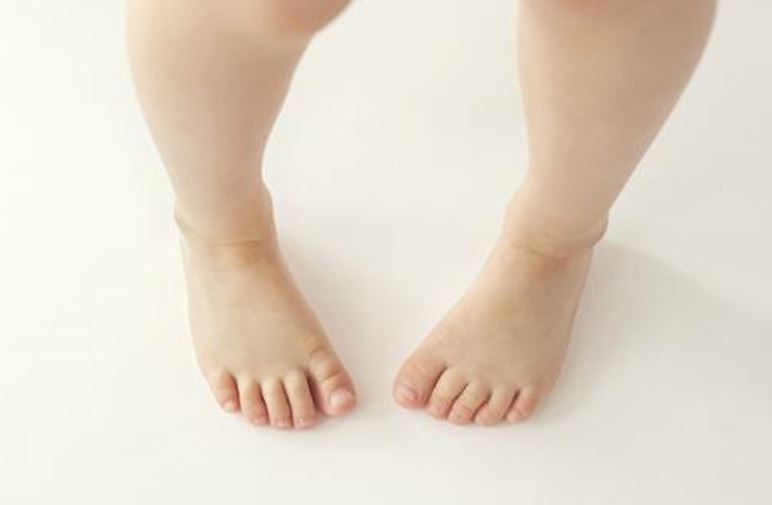
What is Inward Pressing in Children?
In children, flat feet is a cause for concern for parents as it can lead to walking difficulties. This problem, which begins to appear at an early age, may resolve itself during the growth period as the bones begin to develop. However, this is not the case for every child. If the condition does not improve, surgical intervention may be necessary.
Inward turning of the feet in children refers to the condition where the feet, knees, or hips turn inwards more than normal during walking. This condition is seen in most children, but in many cases it resolves spontaneously with bone development. However, in some cases, surgical intervention may be necessary.
Definition of Internal Pressure
Toeing in is referred to as intoeing in medical literature. Structural differences such as femoral anteversion (inward rotation of the thigh bone) or tibial torsion are the main causes of toeing in. It manifests itself during walking when the toes point inward instead of forward.
At What Ages Is It More Common?
In children aged approximately 1-2 years who are just beginning to walk, inward foot placement may be observed. This is because during this period, the coordination between the leg muscles, bones and joints is not yet fully established. However, the most pronounced period is between the ages of 2-6. From the age of 8-10 onwards, it tends to correct itself.
Causes of Encopresis in Children
In children, toe-walking may be caused by a single factor or may arise due to several different structural, developmental or environmental factors. The main causes are as follows:
Causes Related to Bones and Joints (Femoral Anteversion, Tibial Torsion)
The causes related to bones or joints in children are as follows:
- Femoral Anteversion: It is an increase in inward curvature in the area where the upper part of the thigh bone joins the hip.
- Tibial Torsiyon: It is the excessive inward rotation of the tibia.
- Adducted Metatarsus: It is the inward bending of the toes or the forefoot.
Incorrect Footwear Use
Shoes with hard soles, inflexible soles, or soles that do not support the foot can increase pronation. Features such as an ill-fitting shoe size, weak laces or Velcro fastenings, or a loose heel counter can cause walking disorders. Indeed, wearing the right shoes is important to prevent pronation in children.
Genetic and Developmental Factors
Children with a family history of flat feet or similar orthopaedic problems are at higher risk of developing flat feet. Bone structure, bone growth rate and hereditary factors influence this condition. During growth, bones, joints and muscles must mature in harmony.
What are the symptoms of internal bleeding?
In children, toe-walking is usually noticed by parents rather than the children themselves. However, some symptoms may manifest as changes in walking style or discomfort. Common symptoms are as follows.
Conditions Observed in the Child's Gait
The symptoms that may occur in children with inward foot pronation are as follows:
- Feet turned inwards rather than pointing straight ahead.
- Inward turning of the knees or an X-shaped appearance.
- Taking small steps while walking.
Pain and Fatigue Symptoms
When walking for long periods, running or playing games, discomfort or pain may occur, particularly around the knee.
In-Toeing in Girls
Femoral anteversion is slightly more common in girls than in boys. The greater flexibility of muscle and connective tissue in girls may predispose them to pronation. The earlier onset of growth spurts in girls compared to boys can cause imbalance in the leg axis during rapid growth. Furthermore, activities such as dance and ballet, which involve predominantly hip internal rotation, may accentuate the inward foot pronation in girls.
Diagnosis of Inward Pressing in Children
Internal compression usually begins with a physical examination. Imaging techniques or simple measurements may be used when necessary.
Specialist Doctor Consultation
The doctor assesses the alignment of the feet, knees and hips by observing the child walking straight and quickly. The inward turning of the toes is examined both standing and lying down. The doctor estimates the curvature of the thigh and shin bones. After assessing the condition of the current footwear, any incorrect use of footwear is noted. The presence of similar cases in the family is investigated to determine whether there are any congenital anomalies.
Additionally, during the examination process, children's posture disorders, posture, and susceptibility to conditions such as scoliosis are also assessed.
Imaging Methods and Measurements
An X-ray may be requested to assess the severity of bone structure or certain deformities. Computerised measurements or foot pressure analysis may be performed, particularly if there are complaints such as pain. In very rare or complex cases, methods such as CT or MRI may be used. Additionally, in children with inward pressure, tests such as the internal rotation angle in the supine position or tibial torsion tests may be applied.
Internal Compression Treatment Methods
Treatment for in-toeing in children varies depending on age, symptoms, and the cause of the deformity. Non-surgical methods are often sufficient, but surgical intervention may be necessary in some cases.
Use of Orthopaedic Insoles
The aim is to correct the walking pattern by supporting the foot. It is applied in cases of moderate to severe pronation, pain or pressure changes in the sole. It ensures a more balanced gait.
Children's Shoes That Prevent Inward Rolling
Children's shoes with flexible yet adequate heel support, a good fit, appropriate sole stiffness, and features that prevent inward rolling should be preferred. Special therapeutic shoes may be recommended by a doctor. Furthermore, overly supportive, very stiff shoes can exacerbate inward rolling in children.
Exercise and Physical Therapy
The aim is to correct muscle balance, strengthen the external rotator muscles, and improve walking patterns. External rotation strengthening activities, toe grasping exercises, ball or small object picking exercises, and balance exercises are performed. The physiotherapy programme is designed by a physiotherapist, using game-based exercises to ensure the child's compliance.
Conditions Requiring Surgical Intervention
Surgical intervention is required in cases of significant functional loss, pain, cosmetic issues or gait abnormalities. Bone correction surgeries such as tibial osteotomy or femoral osteotomy may rarely be necessary.
Inward Foot Positioning in Infants
When babies have flat feet, this condition is expected to improve with age. Identifying the symptoms is important for early treatment.
Inward Foot Position in 2-Year-Old Children
It is common for a two-year-old child to experience problems such as flat feet. This is because the musculoskeletal coordination of children who have just started walking is not yet established. If a child experiences delayed walking, constant pain, or asymmetry, an assessment is necessary.
What Age Range is Considered Normal?
The age ranges considered normal for inward pressure in children are as follows:
- In this condition, which is common between the ages of 0 and 3, spontaneous resolution is expected.
- The tendency to improve continues between the ages of 3 and 8. Improvement is expected up to the age of 8-10.
- If the deformity persists after the age of 10, further assessment or surgical intervention should be considered.
When Should You Apply for a Doctorate?
You should consult a doctor if you experience significant deterioration in walking or pain, if it is unilateral and progressively worsening, if fatigue or frequent falls affect daily activities, or if the parent observes asymmetry or wear on one side of the shoes.
Recommendations for Families to Prevent Bullying
Although it is not possible to completely prevent in-toeing in children, proper habits, appropriate footwear selection, and regular monitoring can reduce the negative effects of in-toeing in children.
Choosing the Right Footwear
Children's shoes should be neither too large nor too small, allowing their feet to move comfortably. The sole structure should be suitable for walking, with a soft yet supportive sole being preferable. An insole that prevents inward rolling may be preferred in children's shoes. Models that do not restrict the ankle and provide balanced side and heel support are ideal. Furthermore, children's feet grow quickly. Therefore, regular checks are necessary to prevent problems that may arise from wearing the wrong shoes.
The Importance of Regular Check-ups
During the early years, walking assessments can be carried out during paediatric check-ups. If parents have any concerns, they should consult an orthopaedic specialist without delay. It is important for teachers or coaches at school to inform parents if they notice that a child is walking with their feet turned inwards.
Exercise and Daily Habits
The child can be given play-based exercises such as bouncing a ball to support external rotations and picking up small objects with their fingers. Walking barefoot in safe areas inside the home can improve balance. Furthermore, ensuring children avoid remaining inactive for long periods can support muscle balance.
Frequently Asked Questions About Inward Pressing in Children
Does flat feet correct itself?
Mostly yes. In children, toe-walking tends to improve, particularly between the ages of 0 and 8.
Does flat feet affect a child's walking in the future?
In most cases, it does not affect them. In children who are monitored early on and show signs of self-correction, the likelihood of inward-turning feet causing functional problems is low. However, if there is pain, significant asymmetry or loss of function, walking or joint problems may develop.
How long does the treatment last?
Results from treatment involving exercise and orthotics may begin to appear within 6 to 12 months. Post-operative recovery and rehabilitation may take several months.