Minimally Invasive Spine Surgery:
Less Incision, Faster Recovery
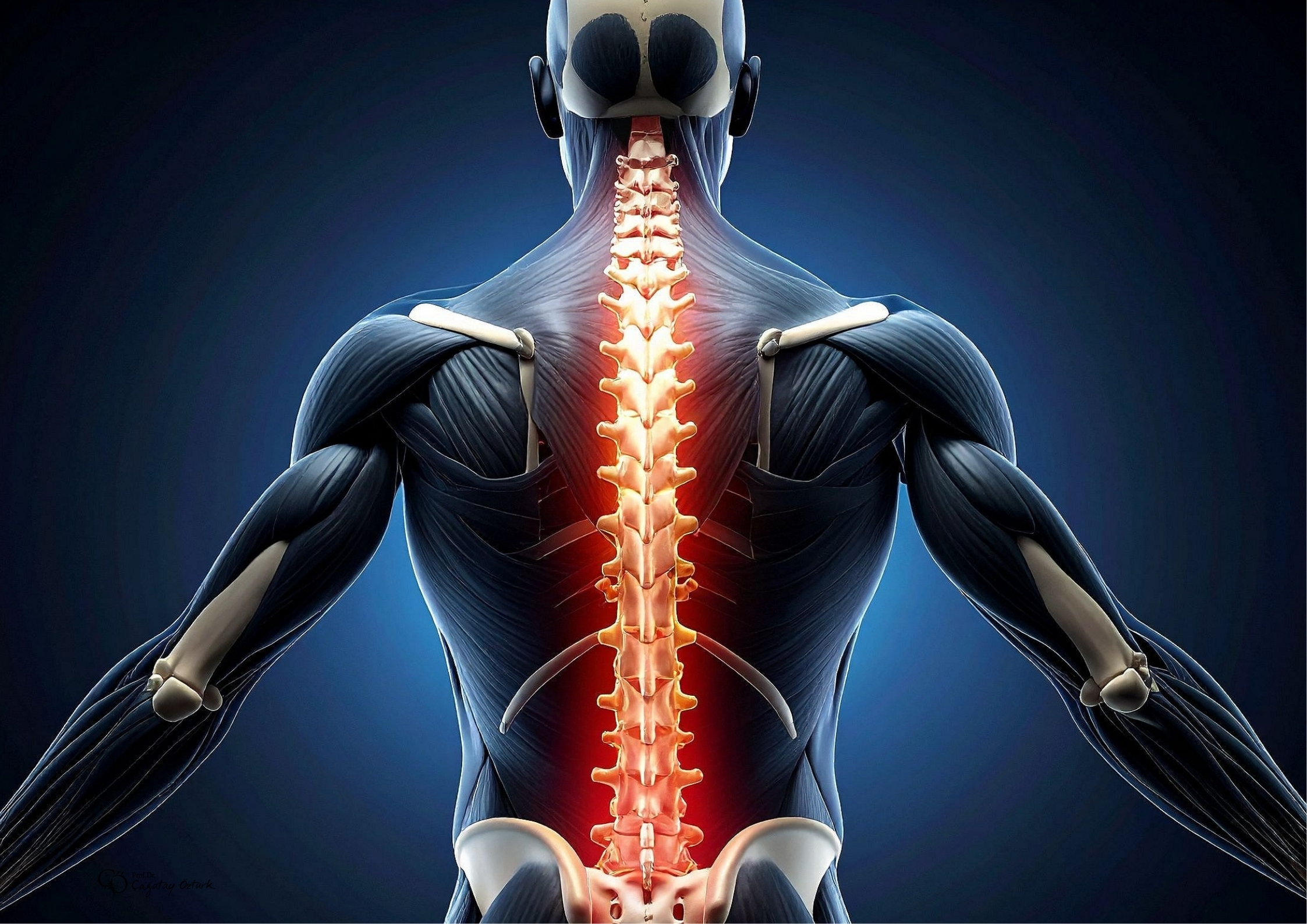
When people hear the term “spinal surgery,” many imagine large scars running the length of the back, weeks of bed rest, and a painful recovery process. However, this frightening picture is now a thing of the past. Developed at the intersection of medicine and technology, our Minimally Invasive Spinal Surgery is a revolutionary approach that offers our patients “maximum comfort” and “minimal tissue damage.”
In traditional “open” surgeries, the surgeon had to make a large incision in the skin and peel the muscles surrounding the spine away from the bone in order to reach the spine. This was the main reason for prolonged pain and recovery time after surgery.
Minimally invasive spine surgery, as the name suggests, involves procedures that require the “least possible intervention” in the body. This method:
Very small incisions (sometimes 1-2 cm) are used.
The muscles are not cut or scraped; instead, special tubes (dilators) are used to gently separate the muscle fibers, creating working tunnels.
The affected area is magnified and viewed in detail using a microscope or endoscope (camera) system.
Bu yöntemin geleneksel cerrahiye göre hastalarımıza sunduğu avantajlar saymakla bitmez. En önemli farklar şunlardır:
Less Pain: Since the muscles are not cut, the need for pain medication after surgery is minimal.
Short Hospital Stay: After most procedures, our patients can be discharged the same day or the next day.
Quick Return to Work: Since the body experiences less trauma, the recovery time to return to normal life and work is much shorter.
Aesthetic Appearance: Thanks to the small incisions, the scar is barely noticeable and does not cause aesthetic concerns.
Low Infection Risk: As the incision area decreases, the risk of infection decreases proportionally.
Blood Loss Is Minimal: This is why it is also known as “bloodless surgery.”
Today, we can safely apply minimally invasive spine surgery techniques in most spinal disorders:
Lumbar and Cervical Herniated Discs: Removal of the herniated disc using microdiscectomy or endoscopic (closed) methods.
Spinal Stenosis: Enlargement of the narrowed canal using microscopic techniques.
Spondylolisthesis: Stabilization of the spine using percutaneous (through the skin) screw fixation systems.
Spinal Fractures: Kyphoplasty or Vertebroplasty (Bone Cement) procedures.
Spinal Tumors: Removal of certain tumors and biopsy procedures.
These surgeries require high technology and the surgeon's experience. During the operation, we use a “C-arm fluoroscope” (X-ray machine) and sometimes “Navigation” systems. These devices map the inside of the spine like a GPS system, allowing screws or instruments to be placed with millimeter precision. This reduces the risk of nerve damage to almost zero.
Fear of surgery should not cause you to delay your health. Minimally invasive spine surgery is one of the greatest comforts modern medicine offers patients. If your quality of life has declined due to spine problems, forget the phrase “going under the knife”; it is now possible to regain your health with much more precise, safe, and fast methods.